
In 2025, the food and beverage industry focused on communicating overall health and lifestyle benefits. However, in 2026, consumers are increasingly making purchasing decisions based on “tangible, expected outcomes” rather than broad, general claims.
From Awareness to Adoption: What Changed from 2025 to 2026 This shift spans product functionality, nutrition, emotional wellbeing, and consumption experience—reflected in four key trends: Precision Functionality, Powerhouse Protein, Emotional Wellbeing, and Multisensory Indulgence 2.0.
Trend 1: Precision Functionality
Precision Functionality refers to food and beverage products that deliver specific, targeted health outcomes—such as gut health support, improved sleep quality, enhanced mental clarity, or faster post-exercise recovery—rather than making broad “good-for-you” claims.

This shift reflects evolving consumer behavior. According to NIQ’s Global State of Health & Wellness 2025 Summary, 70% of consumers actively manage their health proactively, while 57% place greater importance on long-term health than they did five years ago. This marks a clear transition from reactive healthcare to preventive, outcome-driven health management, where consumers seek products that support wellbeing before issues arise.
Trend 2: Powerhouse Protein
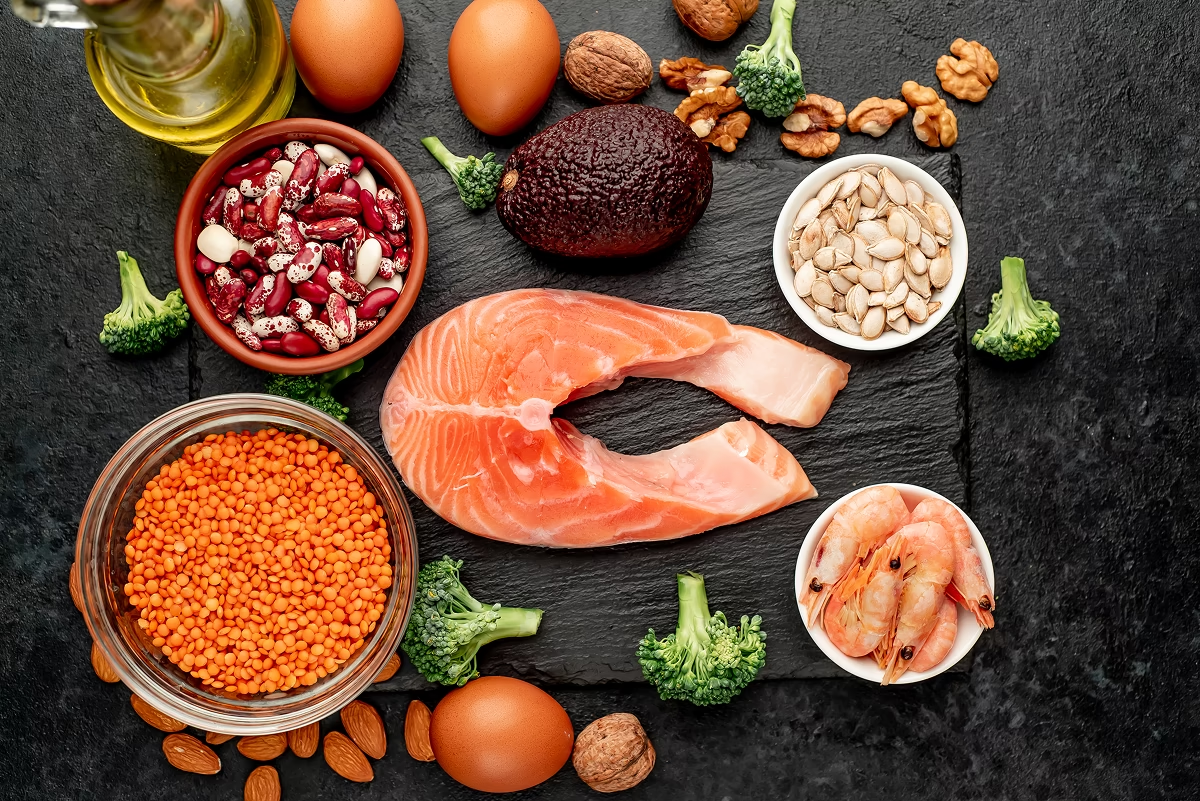
Protein has evolved beyond its traditional role as a basic nutrient to become central to performance-driven lifestyles, supporting weight management, muscle building, recovery, and daily energy.
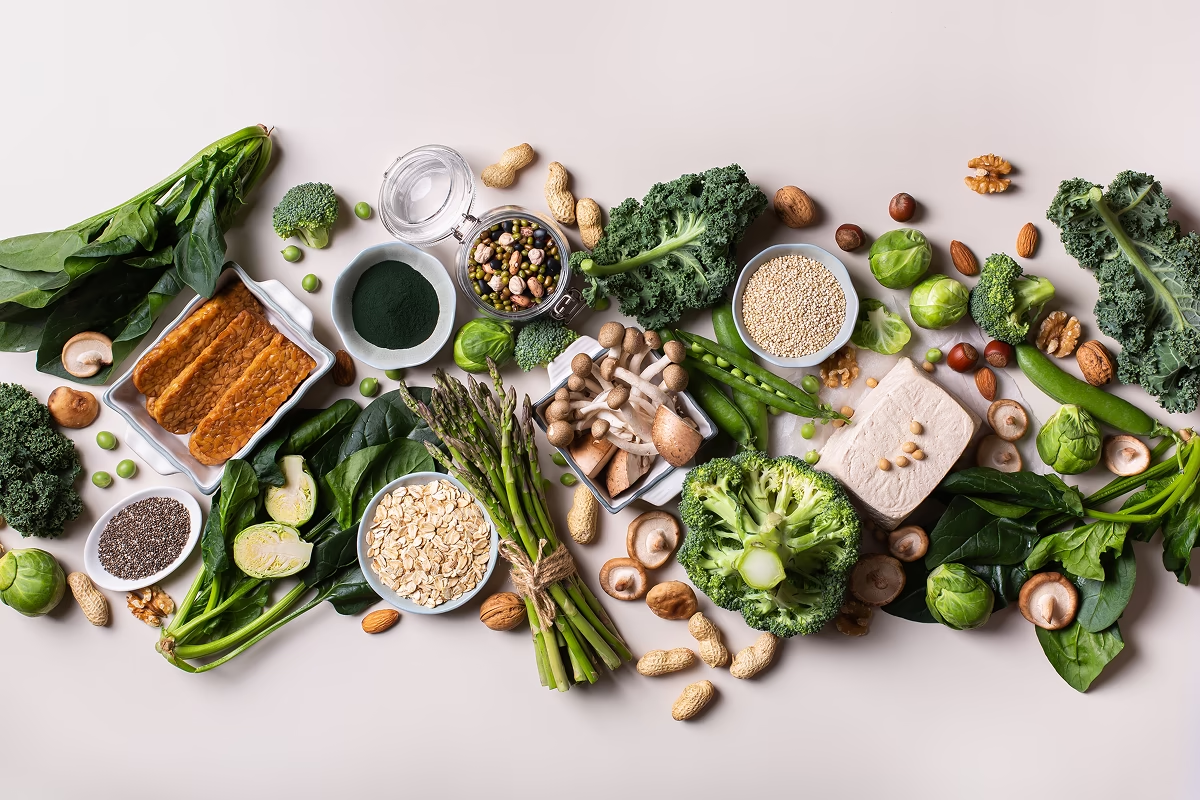
In 2026, we are seeing the rise of innovative protein formats, such as hybrid proteins that combine the benefits of both plant and animal sources—aligning with our previous article of Plant-Based vs. Animal Protein. These are further enhanced with integrated functional benefits and accessible formats, including protein shots, jellies, and other on-the-go options.
Trend 3: Emotional Wellbeing
Emotional Wellbeing, which encompasses emotional and mental health, is at the heart of balancing mind and body. It is increasingly becoming a key factor influencing consumer decisions when choosing food and beverage products, particularly among younger generations.

According to the McKinsey Future of Wellness Survey, Gen Z identifies appearance as one of its top wellness concerns, while Millennials place significantly greater emphasis on mindfulness and mental health. This reflects how the definition of “good health” varies across different life stages and age groups.
Emotional Wellbeing encompasses stress management, sleep quality, focus, mood, self-image, and daily confidence. Consequently, products supporting the gut–brain axis, mental clarity, and stress reduction are gaining traction, especially among urban consumers and Gen Z, who view emotional and mental health as essential to overall performance and quality of life.
Trend 4: Multisensory Indulgence 2.0
Multisensory Indulgence 2.0 extends beyond flavor to transform consumption into a heightened sensory experience that elevates everyday moments. According to Euromonitor’s Five Snack Trends 2026, 63% of consumers view snacks and treats as “little luxuries,” valuing quality and experience over basic satisfaction or taste alone.
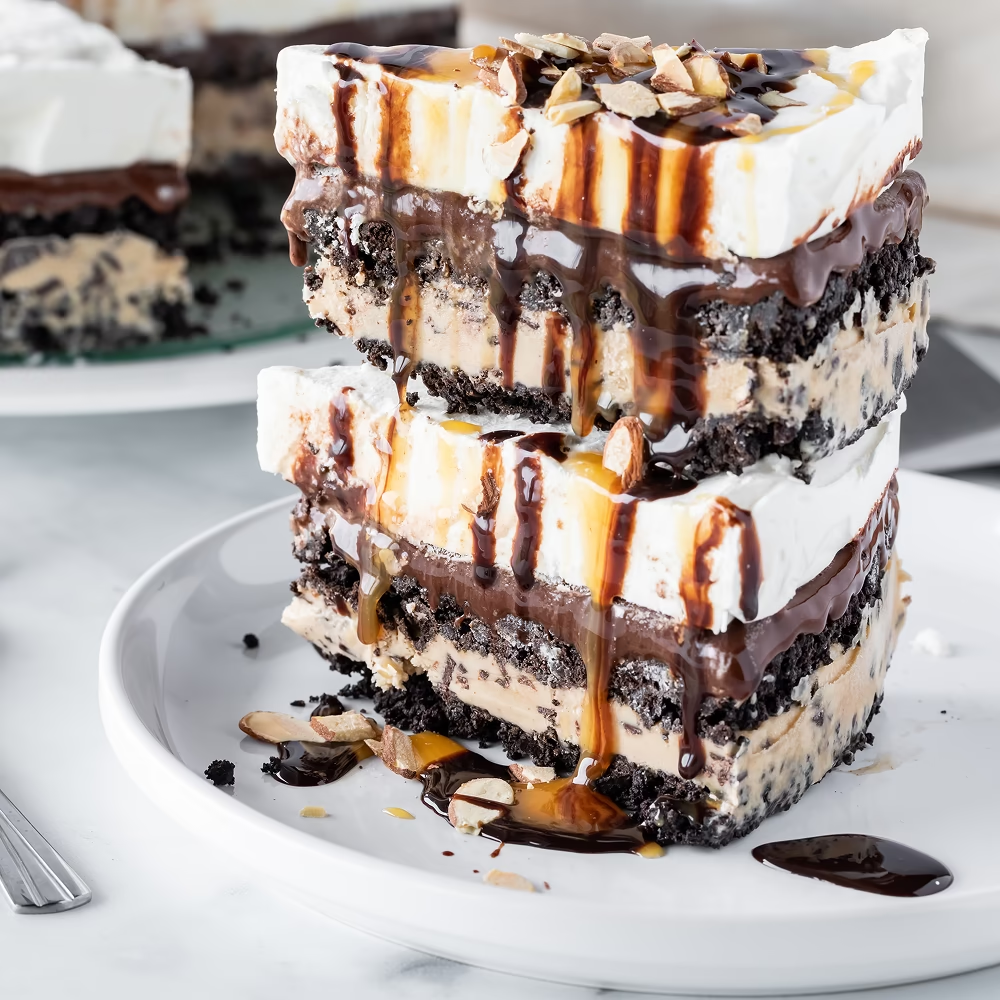
This shift is particularly pronounced among Gen Z: 75% value texture and sensory experience as much as taste, meaning that crunchiness, chewiness, melt-in-the-mouth sensations, dynamic transformations, and varied textures all contribute to perceived product value.
These findings confirm that Multisensory Indulgence 2.0 is not merely a flavor trend, but a strategic approach to experience design—integrating texture, temperature, and visual impact to create differentiation and lasting brand memorability.
References & Sources
1.NielsenIQ – Global State of Health & Wellness 2025
2.FoodIngredientsFirst – Protein Market Trends & Opportunities
3.McKinsey & Company – Future of Wellness
4.Euromonitor – Five Key Snack Trends to Track 2025–2026
5.Mintel – Thailand Food & Drink Consumer Insights 2025
6.Innova Market Insights – Global Food & Beverage Trends 2026