The beauty industry stands at an inflection point. As we move into 2026, the landscape is shifting beneath our feet: not with the dramatic disruption of a revolution, but with the quiet confidence of evolution long overdue. The changes we’re witnessing aren’t merely aesthetic; they’re philosophical, technological, and deeply personal.
Walk into any beauty retailer today, scroll through social media, or listen to conversations at a cosmetics counter, and you’ll notice something fundamental has changed. Consumers aren’t just buying products anymore: they’re investing in values, demanding transparency, and redefining what beauty means on their own terms. The industry’s response? A complete reimagining of how we approach wellness, science, identity, sustainability, and lifestyle.
Here are the five transformative trends shaping beauty in 2026.
1. Wellness: The Science of Rest and Restoration
2026 marks the year wellness becomes beauty’s beating heart. But this isn’t the wellness of jade rollers and Sunday face masks. This is wellness backed by biotechnology, informed by neuroscience, and measured in biomarkers.
The conversation has evolved beyond topical treatments. Consumers now understand that true beauty emanates from within; specifically, from the quality of their sleep and the balance of their emotional state. Advances in metabolic monitoring and cellular repair technology have made personalized wellness solutions not just possible, but expected.
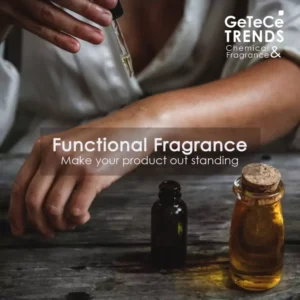
Enter the era of functional fragrance. Neuroscience has unlocked the power of scent to influence our sleep architecture and emotional regulation. No longer relegated to mere pleasure, fragrance becomes a tool: a sophisticated instrument for enhancing sleep efficiency and maintaining emotional equilibrium. Brands are formulating with intention, leveraging specific molecular compositions proven to activate parasympathetic responses, reduce cortisol levels, and support circadian rhythm regulation.
The most forward-thinking companies are now offering bio-intelligent technologies that work in harmony with our bodies’ natural systems. These aren’t gimmicks; they’re grounded in peer-reviewed research demonstrating tangible improvements in energy levels, hydration markers, and cellular regeneration. The result? Beauty products that don’t just make you look better; they help you feel, sleep, and function better.
Self-care has transformed from indulgence into essential maintenance, from superficial ritual into multi-sensory therapy. And consumers, increasingly educated about the interconnection between mental wellness and physical appearance, are embracing this shift wholeheartedly.
2. Scientific-Technology: Precision Over Promises
If wellness provides the philosophy, scientific-technology delivers the proof. Today’s consumers approach beauty with a skepticism that demands evidence, and 2026 answers with data.
The key word is “preventive.” Rather than waiting for visible signs of aging or damage, consumers want to intervene earlier, smarter, and more precisely. They’re turning to bio-intelligent technologies that can assess their unique biological needs and deliver targeted solutions before problems manifest.
This preventive approach manifests in several ways. Ingredient innovations now come with clinical backing, botanical extracts supported by rigorous research demonstrating specific mechanisms of action. The era of vague “ancient wisdom” marketing is over; consumers want to know exactly how and why an ingredient works at the cellular level.
Functional beauty has expanded beyond topical applications. Adaptogens; plants and compounds that help the body adapt to stress, have moved from niche wellness circles into mainstream beauty routines. These aren’t your grandmother’s vitamins; they’re sophisticated formulations designed to optimize hormonal balance, support immune function, and enhance the body’s natural resilience.
Perhaps most significantly, artificial intelligence has made true personalization possible. DNA-based customization is no longer science fiction. Brands are leveraging genetic testing to formulate skincare, fragrance, and even nutritional supplements tailored to individual genetic predispositions. Imagine a perfume designed not just for your preferences, but for your unique skin chemistry and pheromone profile. Or a serum formulated based on your specific genetic markers for collagen production and oxidative stress.
This marriage of biology and technology represents beauty’s most sophisticated evolution yet. Consumers no longer accept one-size-fits-all solutions when technology can deliver one-of-one precision.
3. Identity: The Return to Authenticity
In a digital landscape increasingly homogenized by algorithms and AI-generated content, 2026 witnesses a powerful counter-movement: the celebration of authentic, diverse identity.
Consumers are tired. Tired of AI-perfected faces. Tired of algorithmically determined trends. Tired of beauty standards that erase rather than celebrate difference. The rebellion manifests as a return to roots: a reconnection with cultural heritage, local traditions, and individual authenticity.
This isn’t nostalgia; it’s reclamation. Beauty consumers are actively seeking products and brands that honor diverse aesthetics, celebrate regional ingredients, and acknowledge the beauty traditions of different cultures. Localization has become a competitive advantage as consumers gravitate toward brands that understand and respect their specific cultural context.
The inclusive beauty movement reaches maturity in 2026. It’s no longer enough to offer extended shade ranges (though that remains essential). True inclusivity means representing different beauty ideals, validating multiple expressions of attractiveness, and creating space for identities that fall outside conventional categories.
Brands that thrive understand that uniformity is the enemy of authenticity. They’re championing individual artistry over algorithmic echo chambers, encouraging consumers to explore and express their unique identities rather than conform to digital beauty templates. The most successful campaigns don’t sell a singular aesthetic—they provide tools for self-expression.
Raw human creativity has become beauty’s most valuable commodity. In an age of AI-generated everything, authentic human expression stands out. Consumers want to see real people, real stories, and real diversity; not the sanitized, perfected versions that dominated the previous decade.
4. Sustainable: Transparency as the New Luxury
Sustainability in 2026 is no longer a niche concern or a marketing add-on. It’s foundational, non-negotiable, and increasingly regulated.
Modern consumers demand to know the origin story of every product they purchase. Where do ingredients come from? How were they harvested? Who was involved in the production? What happens after the product is used? These aren’t casual questions: they’re prerequisites for purchase.
The shift toward transparency stems from multiple pressures. Consumer awareness has reached critical mass, with shoppers educated enough to evaluate supply chains and environmental claims critically. Simultaneously, regulatory frameworks have strengthened considerably. Environmental legislation now covers everything from ingredient sourcing to packaging disposal, with penalties for non-compliance that can devastate brands.
Forward-thinking companies understand that sustainability transparency has become a competitive differentiator. The brands winning consumer trust are those willing to open their operations to scrutiny; providing detailed information about their entire supply chain, from raw material sourcing through manufacturing to end-of-life disposal.
This means concrete data, not vague promises. Biodegradability certificates. Carbon footprint calculations. Fair trade verification. Ecosystem impact assessments. Consumers want receipts, and brands that can’t provide them lose credibility.
The concept of “safe for me, safe for the planet” has become inseparable. Products can’t claim to care for consumers while harming the environment. Ethical sourcing, sustainable harvesting, and environmental responsibility are now as important as efficacy and sensorial experience.
Interestingly, this transparency extends beyond environmental concerns to social responsibility. Consumers want assurance that every hand involved in creating their beauty products was treated fairly, paid justly, and worked in safe conditions.
5. Lifestyle: The Aestheticization of Everything
If there’s one overarching theme defining 2026, it’s this: beauty has become life, and life has become beautiful.
The modern consumer approaches every aspect of existence through an aesthetic lens. This isn’t superficiality: it’s the integration of beauty into daily life at every level. From the wellness routines they practice to the spaces they inhabit to the products they choose, aesthetics matter deeply.
Consider the rise of “smart luxury”: a thoughtful approach to consumption that prioritizes quality over quantity, investment over impulse. Today’s consumers might splurge on a exceptional fragrance while economizing on basic staples. They understand value in nuanced ways, willing to invest significantly in items that deliver both functional excellence and aesthetic pleasure.
The barefoot luxury movement epitomizes this balance. Consumers want to connect with nature, but they want that connection to be beautiful. Hence glamping rather than camping, thoughtfully designed sustainable fashion rather than simply “eco” alternatives. Even fitness has been aestheticized: the Pilates and matcha girl phenomenon reflects how wellness activities have become inseparable from their visual presentation.
This doesn’t mean consumers are shallow. Rather, they recognize that beauty; genuine aesthetic pleasure, contributes to wellbeing. A beautifully designed product doesn’t just function better; it makes the act of using it more intentional, more mindful, more satisfying.
Brands succeeding in this environment understand that products must be “presentable” in every sense. Packaging matters. Texture matters. The ritual of use matters. Beauty products are no longer hidden in bathroom cabinets—they’re displayed, photographed, shared. Every element must be considered, intentional, and yes, beautiful.
The Integrated Future
These five trends don’t exist in isolation: they’re interconnected threads weaving the fabric of beauty’s future. Wellness drives demand for scientific solutions. Scientific precision enables personalized products that honor individual identity. Authentic identity expression requires sustainable practices that respect both people and planet. And all of this unfolds within a lifestyle framework where aesthetics and ethics coexist.
For brands, fragrance houses, and beauty innovators, 2026 presents both challenge and opportunity. The consumers you’re serving are more educated, more demanding, and more values-driven than ever before. They want products that perform, ingredients they can trust, transparency they can verify, and experiences that resonate with their authentic selves.
The future of beauty isn’t about choosing between efficacy and ethics, science and sustainability, performance and principles. It’s about integration: creating products and experiences that deliver on all fronts simultaneously.
The brands that will thrive aren’t those clinging to old paradigms of beauty as purely aesthetic enhancement. They’re the innovators who understand that beauty in 2026 means something far more holistic: the intersection of wellness, science, identity, responsibility, and lifestyle, all wrapped in experiences that delight the senses and align with deeply held values.
The future is here. The question is: are you ready to meet it?