
Behind the calm focus of green tea and the mood lift from dark chocolate lies the same neurotransmitter: Dopamine. Released in response to rewarding experiences, it governs our mood, motivation, and sense of wellbeing — making it one of the most influential chemicals in everyday life. Dopamine is more than a “feel-good” chemical. It is the brain’s core driver of motivation, sustained focus, and long-term happiness.
How Food Boosts Dopamine: The Mechanism
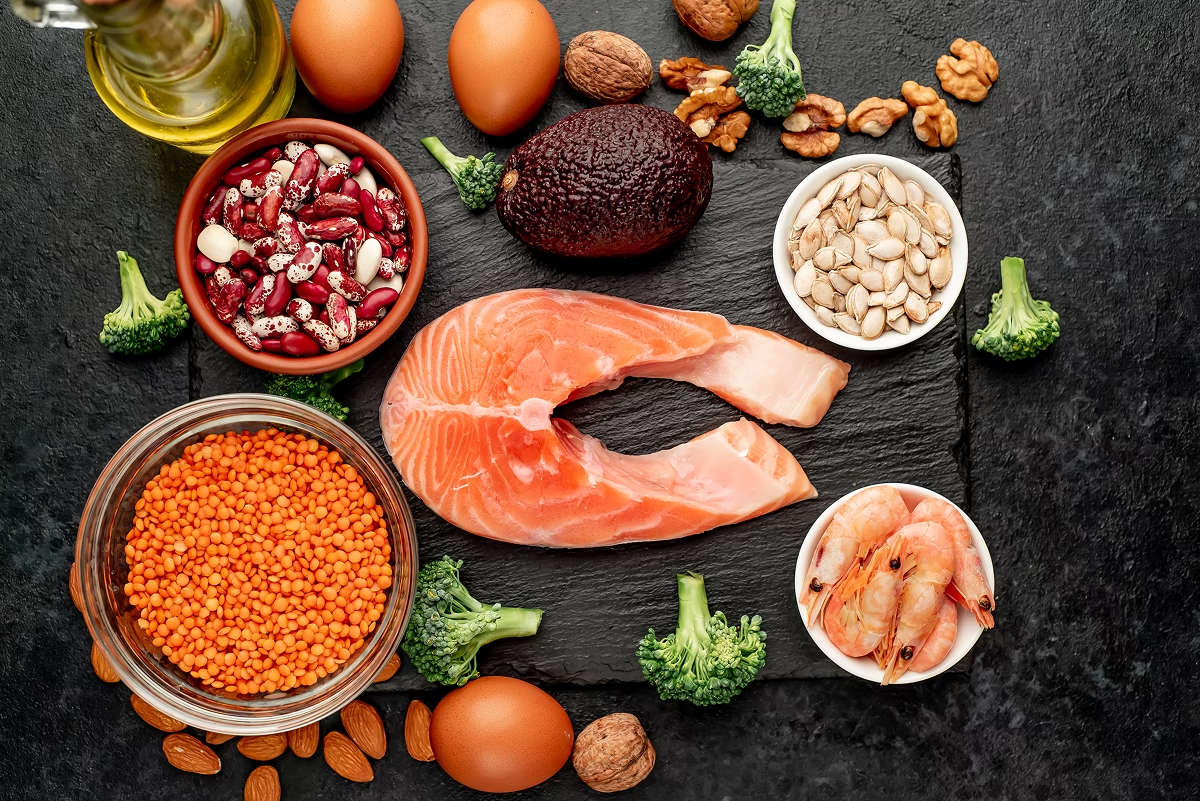
The brain produces Dopamine from an amino acid called L-Tyrosine, which the body obtains directly from food. However, there’s more than one pathway — and the second one surprises most people.
1.Precursor Pathway — Foods high in L-Tyrosine are converted directly into Dopamine in the brain. Fruits, nuts, and dark chocolate are all excellent sources of this compound.
2.Gut-Brain Axis — Over 50% of the body’s Dopamine is produced in the gut, not the brain. Fermented foods and dietary fiber therefore play a far more important role than most people realize.
The body also requires Vitamins B6, B12, magnesium, and zinc as cofactors in this conversion process — making a varied, nutrient-rich diet the essential foundation.
Fruits
- Banana Rich in both L-Tyrosine and Vitamin B6, banana is a standout choice. B6 is the key enzyme catalyst that helps the brain convert Tyrosine into Dopamine more efficiently. Both Nam Wa and Hom varieties, widely available in Thailand, are excellent options.
- Blueberry Packed with Anthocyanins, a powerful antioxidant that protects Dopamine neurons from degradation. Recent research has ranked blueberry as the #1 brain health food, overtaking matcha and turmeric.
- Oranges, Lemons, and Citrus Fruits Vitamin C plays a direct role in Dopamine synthesis and helps reduce oxidative stress in the brain, allowing Dopamine to function more efficiently.
- Avocado Contains both Tyrosine and healthy monounsaturated fats that improve nutrient absorption in the brain, ensuring that every nutrient consumed is utilized to its fullest potential.
- Apple Contains Quercetin, a flavonoid supported by multiple preclinical studies showing it helps protect Dopamine neurons from oxidative stress and reduces neuronal degeneration in the brain. While most research remains at the animal study level, Quercetin is found in high concentrations in apples — particularly in the skin — so eating the whole apple is recommended for maximum benefit.
Beverages
- Green Tea and Matcha Contain L-theanine, which is uniquely able to increase both Dopamine and Serotonin simultaneously, promoting a state of alert focus without the restlessness or anxiety often associated with stimulants.
- Kombucha and Kefir Fermented beverages rich in Probiotics that strengthen the Gut microbiome. A healthy gut supports a well-functioning Gut-Brain Axis, which in turn promotes more efficient Dopamine production throughout the body.
Nuts and Grains
- Cashew Nuts Rich in both Tyrosine and Magnesium. Magnesium is one of the critical cofactors the body requires for Dopamine synthesis at the cellular level.
- Almonds and Walnuts In addition to their high Tyrosine content, these nuts provide Omega-3 fatty acids that enhance the sensitivity of Dopamine receptors, allowing the brain to respond to Dopamine more effectively.
- Oats Work through the Gut-Brain Axis: the prebiotic fiber in oats serves as nourishment for beneficial gut bacteria, which indirectly supports Dopamine production — with effects that build gradually over time.
- Dark Chocolate (70%+) — Contains Tyrosine as a Dopamine precursor, along with Flavanols such as Epicatechin that improve cerebral blood flow. It also provides Magnesium, a key cofactor in Dopamine synthesis. Together, these compounds genuinely contribute to an improved sense of wellbeing — though as a cumulative nutritional effect rather than an immediate stimulant response.
Sources
1.Healthline (2025) — 10 Best Ways to Increase Dopamine Naturally
2.Nutritionist Resource (2025) — How food affects dopamine and mood
3.ScienceDirect (2025) — Bridging food and mood: What foods are defined as ‘mood foods’
4.AgroFOOD Industry Hi Tech (2025) — Consumer Perspective: The mood food trend
5.PMC / NIH (2022) — Role of Microbiota–Gut–Brain Axis in Regulating Dopaminergic Signaling
6.PMC / NIH (2023) — Dopaminergic modulation by quercetin: in silico and in vivo evidence
7.PMC / NIH (2012) — Neuroprotective effects of cocoa flavanol and its influence on cognitive performance